appraisals and viability
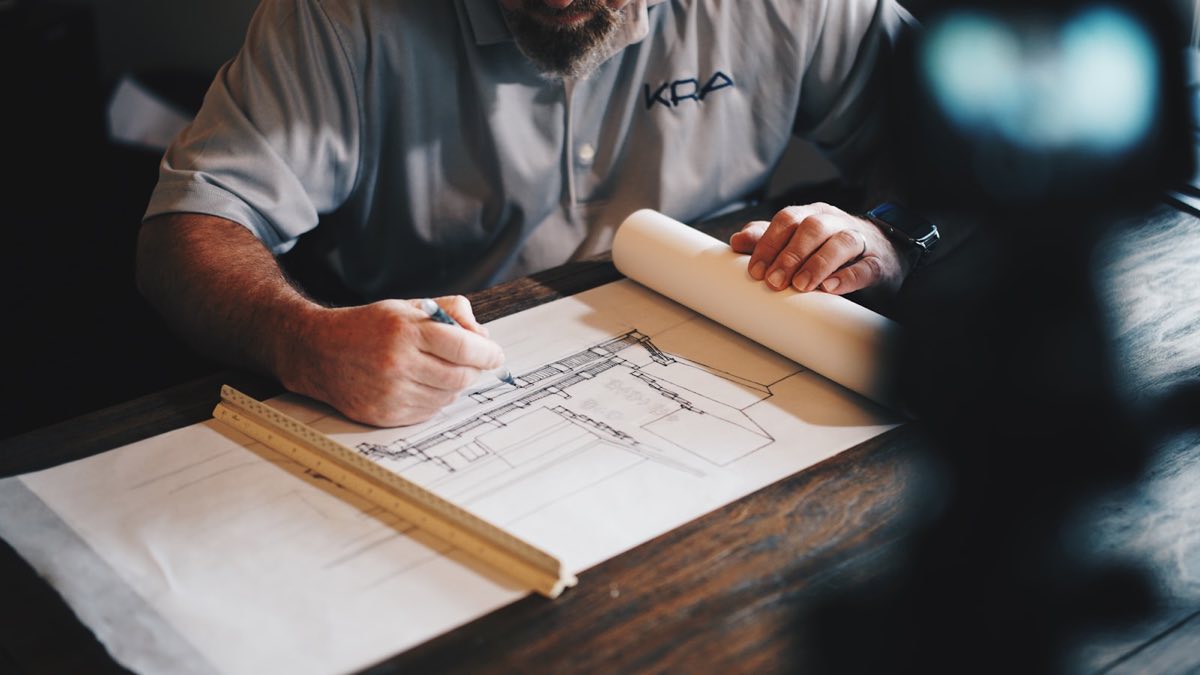
Stage 3 development appraisals: gross development value forecasting, build cost budgeting, residual valuation, existing-use value and sensitivity analysis. The output is a number you can take to a lender, not an opinion.
Development and investment advisory
Investors, developers and operators bring us in on their own transactions. It is the same work we do on our own assets — finding the site, proving the numbers, taking it through planning and running the build — sold as a defined engagement. Mandates run across Georgia, the United Kingdom and the Czech Republic.
Stage 3 development appraisals: gross development value forecasting, build cost budgeting, residual valuation, existing-use value and sensitivity analysis. The output is a number you can take to a lender, not an opinion.

Structuring acquisition or lease terms, drafting heads of terms, and negotiating with owners, landlords and their advisers through to signed terms. Where it fits, control before capital: options, promotion agreements, delayed completion.
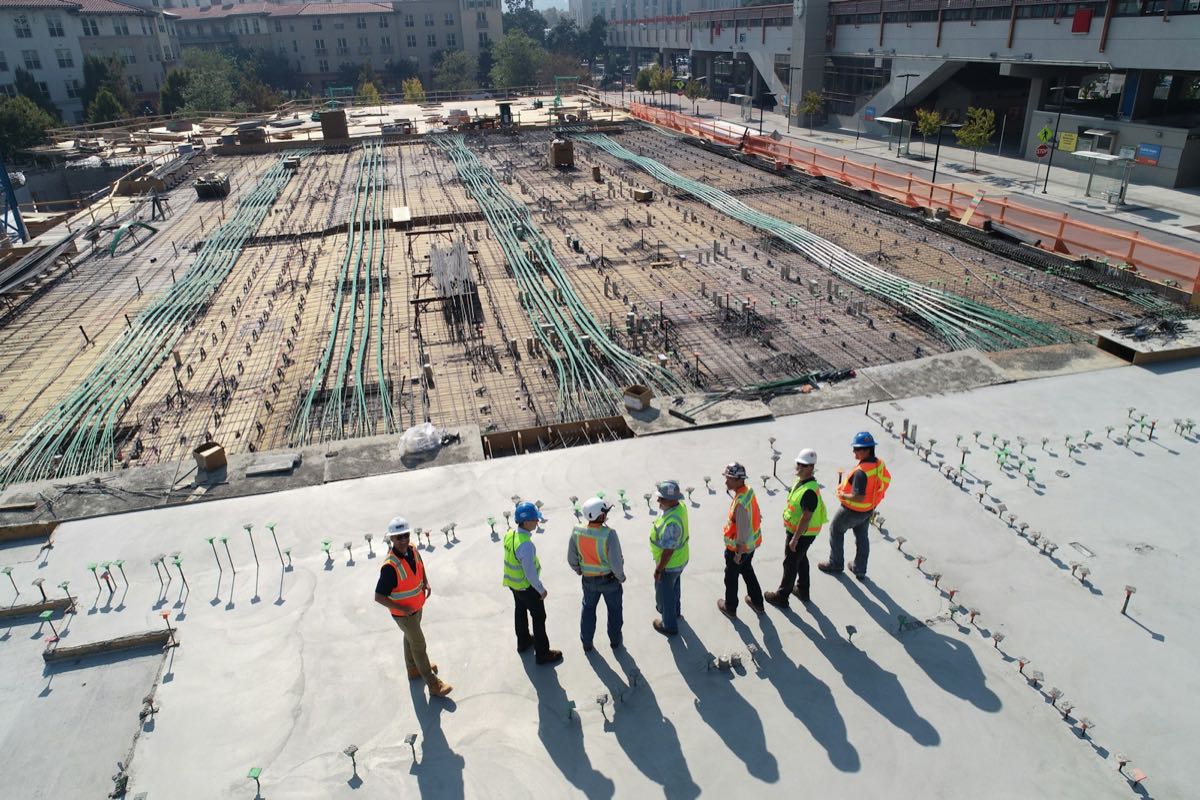
Briefing and coordinating architects, surveyors, lawyers and contractors; monthly progress reviews, risk mitigation and cost control through to practical completion.
Managing the consent process to raise land value and optimise net saleable area, then executing the disposal strategy so the profit is actually realised rather than modelled.
Method
Development runs in three stages — land, planning and design, and build — and the risk, time and capital required climb steeply across them. The build stage is the most expensive and the least forgiving. The stage where value is actually created is the one before it.
So we work the first two hard. A site is only worth what is left after you subtract build costs, fees, finance and a target profit from what the finished scheme will sell for. That residual is the land value, and it moves enormously depending on what consent the site carries. The gap between existing-use value and consented value — the planning uplift — is the thing worth spending time on.
It also means we would rather secure control of a site cheaply and add the value afterwards than pay full price for someone else’s planning work.
The UK half of this discipline comes from the development programme our team works through at the Millbank Land Academy — site finding, appraisals and build costs, landowner negotiation, option agreements and land assemblies, permitted development. The Georgian and Czech half comes from doing it on our own buildings.
How an engagement runs
This is the shape of a full acquisition mandate. Shorter briefs take the first two or three steps only — a desktop study and an expert opinion is a perfectly normal place to stop.
We write the occupancy brief for your use, then screen on- and off-market premises against demography, accessibility and catchment.
Benchmarking purchase and rental values per square metre against real comparables, to establish fair pricing for each shortlisted property.
Existing-use value plus a feasibility appraisal covering acquisition, fit-out and total cost of occupancy for each shortlisted property.
Condition, structure and services; title, permitted use, and any change-of-use or regulatory consent the operation will need.
Test-fit sketch schemes measuring each candidate against your functional layout, user flow and licensing requirements.
Acquisition or lease terms, heads of terms, and negotiation with owners, landlords and their advisers through to agreed and signed terms.
Briefing and coordinating lawyers, architects and surveyors, with one consolidated recommendations report and advisory through completion.
How engagements are structured
We run the asset day to day for a share of net income. Used on the residential and short-stay portfolio.
We take the whole space on a long lease, carry the vacancy risk and sublet it. Used on the Rustaveli commercial asset.
A defined scope of analysis, sourcing or development management, priced per engagement or as an annual retainer.
Which one fits depends on the asset and on how much of the risk you want to keep. Tell us what you own and we will say plainly which of the three we would propose.